

Sharon Keevins • December 4, 2025

December Review 2024

December Review

By Adam Novakovic

As we moved into the final month of 2024 it seemed as though Santa would be the one delivering positive news regarding energy prices. From the 1st of December to the 16th, wholesale gas prices fell by almost 20% and it seemed the overdue market correction was finally underway. However, the price movement for the remainder of the month was more grinch-like than anybody had hoped, as prices rose again, wiping out the decline we had seen in the first half of the month.


There were 2 reasons for this rise in prices, the first reason being the weather. Initial long-term forecasts had not predicted this winter to be particularly cold, however, December saw erratic weather events and lower than anticipated temperatures.

In October it had been predicted that UK gas consumption throughout the current winter would be very similar to the levels of last year. This now appears to be inaccurate as colder temperatures have led to increased consumption.

European gas storage levels have dropped below 75% of capacity with the UK levels being around 55%. This does not compare favourably to last year and raises concerns of how prices could rise should there be a particularly cold January and February. Part of these concerns are already factored into the prices, but this is likely to be the largest short-term factor in energy prices.

The second reason for the recent price rise has been the cessation of Russian gas being imported into Europe. While it has been known for some time that gas imports from Russia would stop after the 31st of December 2024, there had been some hopes of a new deal being negotiated. Slovakia, who provide Ukraine with almost 20% of their electricity, have indicated they could cease providing this should Ukraine not reopen talks with Russia. Any positive news regarding the supply of Russian gas to Europe would likely cause an immediate drop in energy prices.


In good news for British businesses, any company with less than 50 employees can now receive help from the Energy Ombudsman for free when engaging in disputes with suppliers or brokers. If your business has had any issues with your supplier, feel free to contact us at SeeMore Energy to see if we assist you in resolving any outstanding problems. Our dedicated team has helped many clients in resolving problems with suppliers, and our Bill Validation service (free trial currently available) has been vital in helping numerous businesses identify areas in which they have been misbilled and were overcharged by their supplier.


Outlook

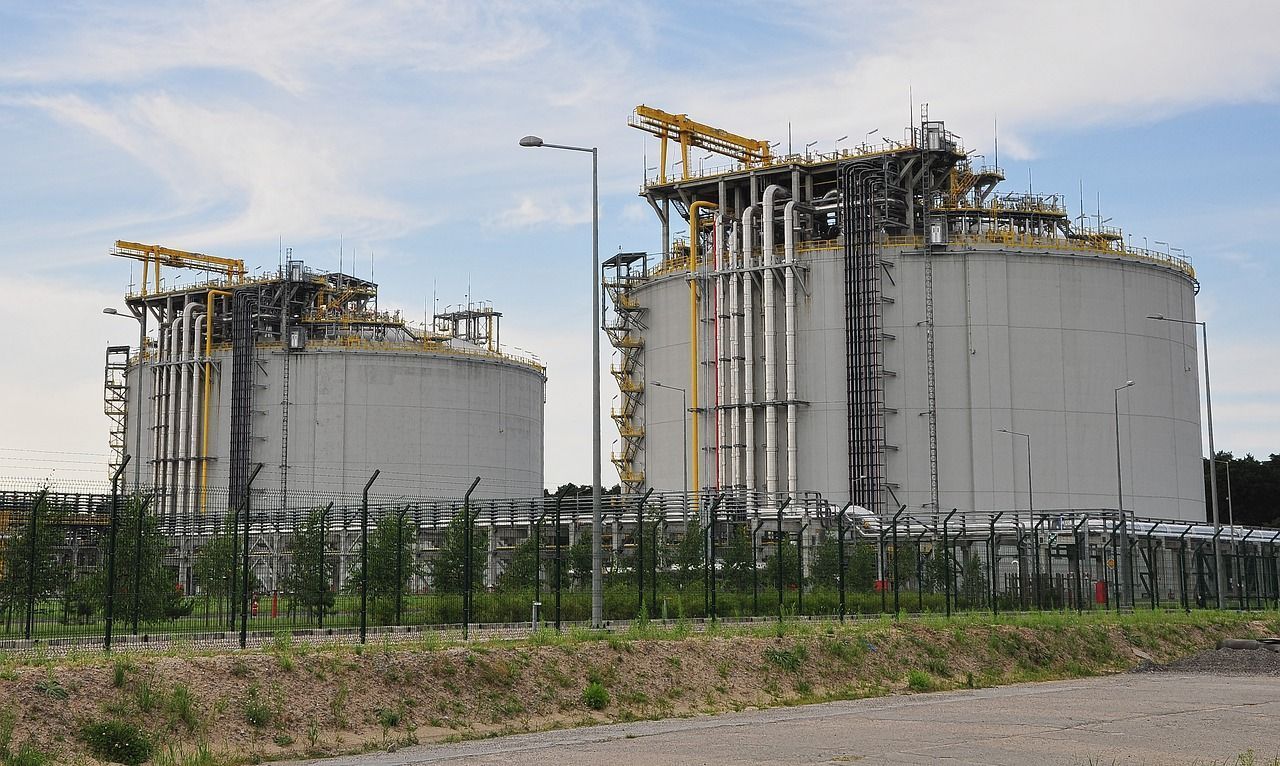
During December, US LNG exports reached almost record-highs, representing an almost 10% month-on-month increase in gas exported. With new LNG supplies coming online, it seems as though this trend will continue into the new year, with Europe being the largest buyer of LNG from the US. Throughout 2024, the supply picture for LNG had been hampered by site maintenance, hurricanes, and increased purchasing from Asian nations who were in the midst of a heatwave.

The increased LNG available to the market should help lowering the currently inflated energy prices throughout the coming months.

In addition to an increasing supply-side, the key factors to watch out for in the coming months will be the weather and how it impacts gas reserve levels, the stability of gas supply from LNG routes and Scandinavian pipelines, and the speed at which new supply deals can be negotiated.


If your business requires advice with its energy procurement, management, or planning, then don’t hesitate to contact Seemore Energy to speak to experienced advisors who can help you with bespoke strategies and advice that is tailored to your needs.

By Sharon Keevins December 4, 2025
October Review By Adam Novakovic In the month of Halloween, October energy price movements were free of jump-scares. Whilst prices moved up slightly at the start of the month, they marginally decreased throughout the remainder of October. Ending the month slightly below the levels seen at the end of September. The expectation this month was that European gas reserves would be the key story impacting energy prices. The European Network for Transmission System Operators for Gas (ENTSOG) released their report on the Winter supply outlook. This confirmed that Europe is well prepared for the coming winter, with 83 % gas reserves recorded as of the 1st of October, and infrastructure resilient enough to meet demand without Russian pipeline gas. Their projections had Europe ending the winter season with over 30% storage even in the most severe scenarios. There is also the expectation that any unforeseen supply disruptions can be mitigated through increased LNG imports -- supporting the EU’s goal of phasing out Russian gas while emphasising continually reducing demand. During the first week of October Russia launched a wave of drone attacks against Ukraine -- the largest since the war began. These strikes have damaged Ukrainian gas production and left storage at 42% of capacity. This has forced Ukraine to look at importing large quantities of LNG from Europe this winter. With the deal that brought Russian gas to Europe now expired, Europe faces added demand pressure. This comes despite Europe significantly reducing Russian gas imports and increasing LNG imports from other nations. With there currently being a large quantity of LNG available for importation, and with EU gas reserves being in a healthy position, it seems as though further conflict may not have a large impact on energy prices. This could change however if Europe were to experience a particularly cold winter.
By Sharon Keevins December 4, 2025
September Review By Adam Novakovic We have reached the time of year where the summer months have started to fade and we begin to think about the colder seasons. This month saw the UK government recognise Palestine as a country, although they still seem unable to recognise the harm their energy policies are causing UK businesses. With further charges set to be added to UK energy bills and rising non-commodity costs, it was a relief that wholesale energy prices remained fairly flat throughout September. A recent report from independent analysts Cornwall Insights revealed that large energy users who aren’t covered by Government schemes could find that they are paying a further £450,000/year in non-commodity costs by 2030. With non-commodity costs such as DUOS and TUOS charges –which are used to fund the infrastructure responsible for the transmission of electricity – now accounting for over 2/3rds of total electricity costs for some businesses, it is of growing concern that these charges are set to continue rising. With the TUOS charges for 26/27 expected to increase significantly , the non-commodity charges are starting to have a negative impact on UK businesses ability to compete against foreign businesses with fewer governmental charges on their energy bills. This growing concern is yet to be addressed but could have a huge impact on many industries in the next year.

Show More