13 April 2026

March 2026

March 2026 Review

By Adam Novakovic

March Review

As winter faded and market sentiment typically turns more optimistic, that outlook was quickly overshadowed by the US instigating a rapidly escalating Middle East conflict. While Donald Trump – apparently unfamiliar with the folly of Crassus – stated that he expected a short, decisive campaign that could be over in 4-6 weeks, the initial reaction from energy markets was cautious pessimism. However, as the month wore on – and it became clear this war would be unlikely to end within the originally stated timeframe – prices rose further, and only talks of the US wanting to enter peace negotiations helped bring some respite as the month ended.


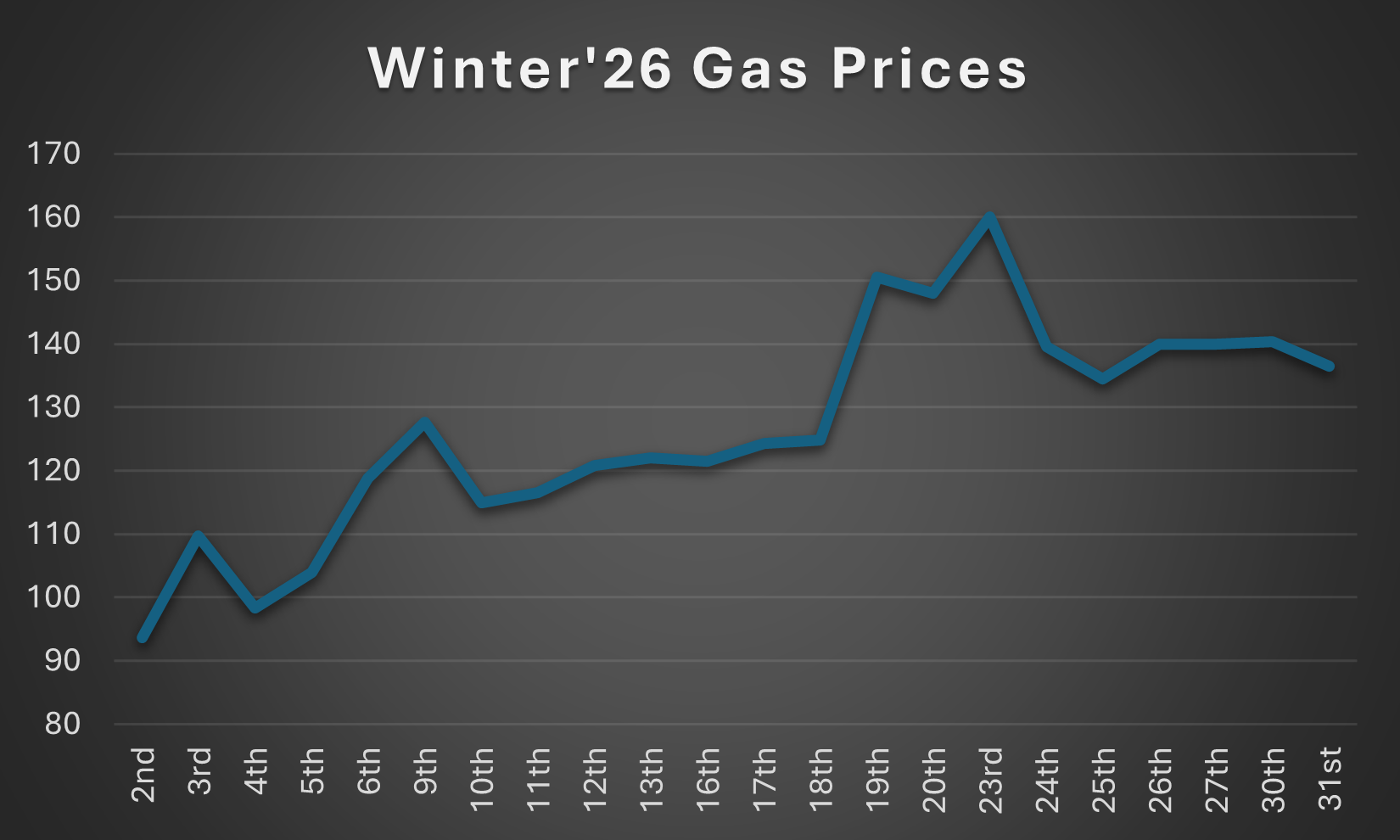
When the UK electricity markets closed on February 27th, electricity for the Summer of '26 was priced just under 7p/kWh, by the 19th of March this would increase to almost 11p/kWh. For a company set to consume 500,000kWh during this period, this represents a cost increase of approximately £20,000. A price increase like this is rarely seen over a 20 day period, and rivals the most volatile days of the Russia-Ukraine conflict.


While many of the headlines refer specifically to rising gas prices, it’s important to understand that this has a large impact on electricity prices. Wholesale gas and LNG prices are critical to UK electricity prices because gas-fired power stations often set the marginal price in the market. Even when renewables generate a large share of electricity, the final unit of demand is frequently met by gas, meaning higher gas costs directly push up the wholesale power prices that affect the rates UK businesses are charged.

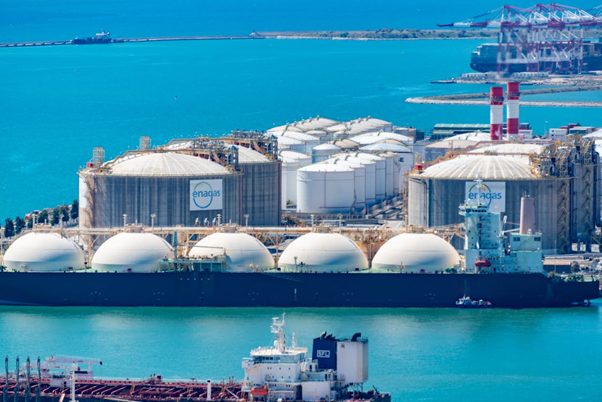
Additionally, the UK relies heavily on imported LNG to balance supply -- with Qatar being a major supplier -- so global LNG price movements quickly feed through into domestic gas, and therefore electricity costs.


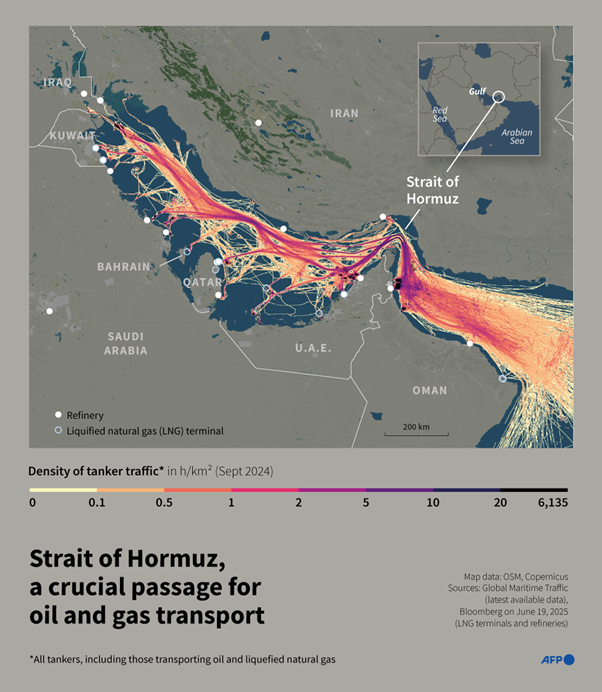
As the war broke out, one of the first responses from Iran was to close the Strait of Hormuz – which is responsible for over 20% of global LNG supply. Throughout the month there were talks of the US sending in warships to help guide cargo ships through the Strait, with the White House even floating the idea of supporting cargoes via supplementing insurance as shipping premiums rose. However, supply through the Strait is still throttled, with Iran allowing some ships through to allied countries such as China and Pakistan, so long as they can evidence that the cargo was paid for in Yuan and not US dollars.


It wasn’t just the transportation of gas that was behind the rising energy prices. After Israel and the US targeted Iranian refineries, Iran retaliated in kind, launching attacks on gas refineries in neighbouring Qatar – leading to 17% of Qatar’s LNG production capacity being shut down.


All of the above has limited global supply of LNG. At the start of the year the supply-demand balance had been at its healthiest level for years, with prices looking set to steadily fall. It now appears as though prices may remain elevated until normal production and transportation of LNG can resume.


Outlook

The latest news suggest that the US are actively pursuing options to bring about a cease fire and peace deal. Although it remains to be seen if they will be willing to meet Iran’s demands. Demands that could lead to Iran maintaining a firmer control of the Strait of Hormuz than they had before the conflict began. Should peace be agreed, wholesale prices won’t instantly drop, but we should see them steadily fall over the coming months.

One factor which could keep prices high after the negotiation of a peace deal would be European nations looking to refill their gas reserves. While many nations now have much stronger renewable energy production than ever before, EU mandates will still force strong buying behaviour from all member states. With a limited global availability of LNG, this could lead to bidding wars for the available cargoes.


There have been suggestions that US LNG can plug some of the gaps in the market, but assuming an increase to maximum possible production capacity and the shifting of some cargoes from Asia to Europe, it may only make up a third of the shortfall. One possibility which could have a large impact, would be if sanctions were to be lifted against Russian gas. While many European nations have been vocal against this, the situation has changed and the US lifted embargoes against Russian oil in the early part of March, setting an international precedent.


A detail that may limit the upside from rising LNG prices, is that wind is now responsible for generating over 25% of UK electricity. Whilst wind lacks the reliability of other sources, this does change the energy-generation landscape compared to previous energy crises. Previously a higher % of generation was dependent on gas and coal, but renewable energy production – while lacking the reliability of gas or nuclear energy generation -- offers some relief from this burden.


In the coming months, the re-opening of the Strait of Hormuz will be the most important factor impacting energy prices, with a hasty re-opening potentially limiting how long prices will remain inflated.


With prices at their current levels, this has created issues for many British businesses, if you have been affected by the rising energy costs, or if you have gas or electricity contracts set for renewal in the next 12 months, contact us today for free, professional advice on how to navigate the current volatile energy landscape. 


by Craig Watson 27 March 2026
With consumer spending declining and OFGEM raising their price cap, you would be forgiven for seeing February as a month where negative news was at the forefront, but in the energy markets, this was not the case.
by Craig Watson 27 March 2026
In a year that began with falling energy prices, there were recurring catalysts that led to prices climbing steadily higher. Geopolitical uncertainty and the perennial threat of escalating conflicts meant fear would maintain a constant presence in the wholesale markets. We will look back at the key energy stories from 2024, and how the energy markets are likely to shape up in 2025. Quarter 1  The year began with cautious optimism as the UK’s gas reserve levels were healthy and prices for the Summer’24 season were in freefall. In February, prices pulled back to their lowest levels since 2021, and for the first time in a while, we identified that there was greater potential for upside risk than for further downward price movement: “ there now (exists) an asymmetrical element of risk should the market encounter a supply-side problem of significance. ” During February we had advised customers on flexible contracts that this was an ideal time for making purchases. March would see prices begin to ascend again as international conflict would create problems with LNG imports, and we would highlight the geopolitical risks as an area for concern moving forwards: “ fears remain and there are potential negative catalysts that could lead to prices rising further, with the main factors to watch out for being based on geopolitical unrest. “ For a business that purchases their energy in advance, this quarter was the optimal time for purchasing during 2024. In February, electricity prices for Winter’25 were down to 7.75p/Kwh, and as low as 6.05p/Kwh for Summer’25. Winter’25 ended the year with prices above 11.1p/Kwh, with Summer’25 prices exceeding 9p/Kwh. For a company that uses 500,000Kwh of electricity per month, the difference between buying at the February low point compared to today’s prices would represent a yearly saving of over £200,000.
Show More