
September Review
Adam Novakovic
Energy Markets Consultant
While many were happy to see Strictly Come Dancing return to their TV screens with its familiar format, the familiar narratives in energy markets brought little joy this September. Continued conflict in the Middle East, extended Norwegian gas maintenance, and delayed refilling of European gas storage all made for unpleasant reading at the beginning of the month.
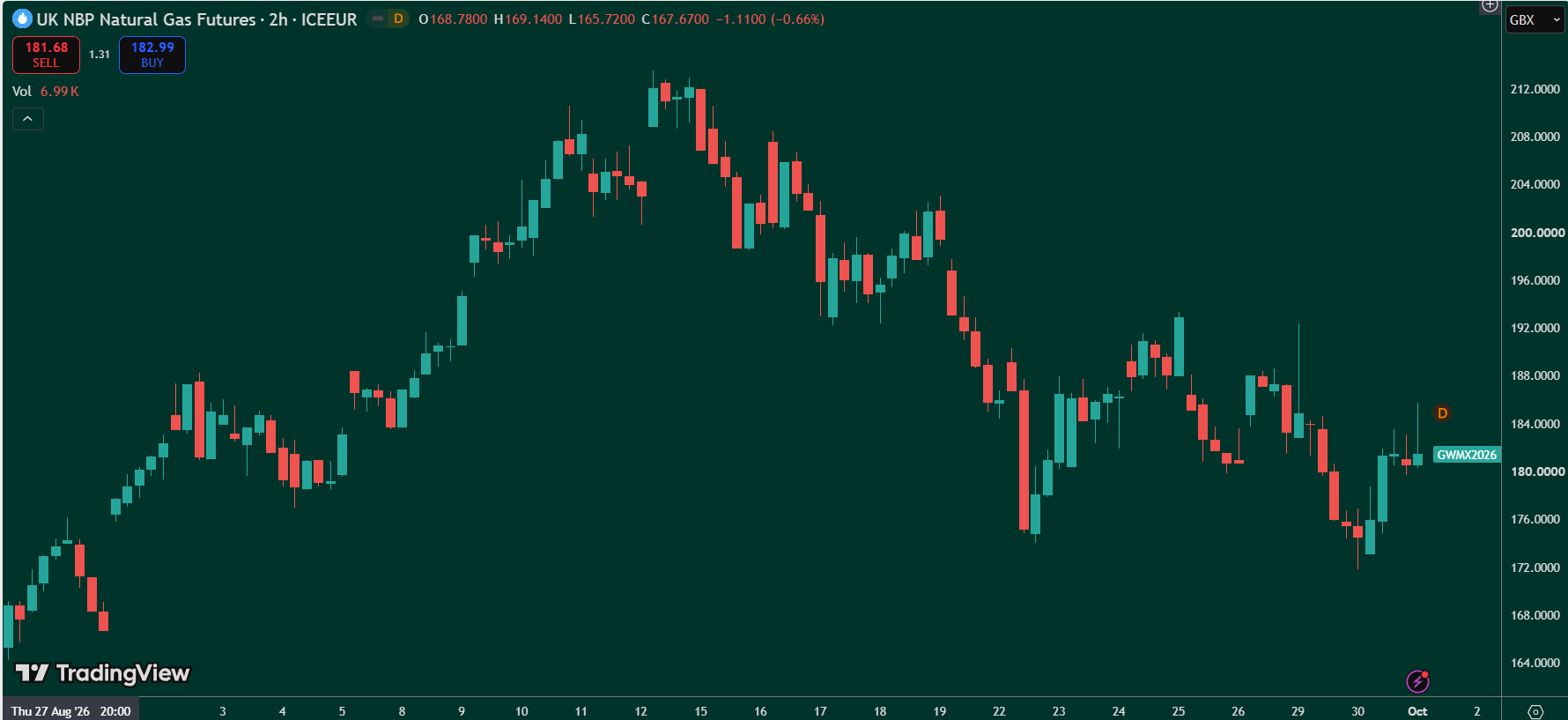
While negative news caused prices to rise in the first half of the month, hopes surrounding a potential re-opening of the Strait of Hormuz helped prices to drop in the final weeks of September.
The primary cause of price spikes across wholesale gas was renewed conflict involving the US and Iran. The transit of LNG through the Strait of Hormuz dropped sharply, as Iran targeted key shipping routes. Trump had stated that he expects the war to end shortly multiple times in the past 4 weeks, but when offered a deal to re-open the Strait and call a 7-day truce, the US president rejected the Iranian terms.
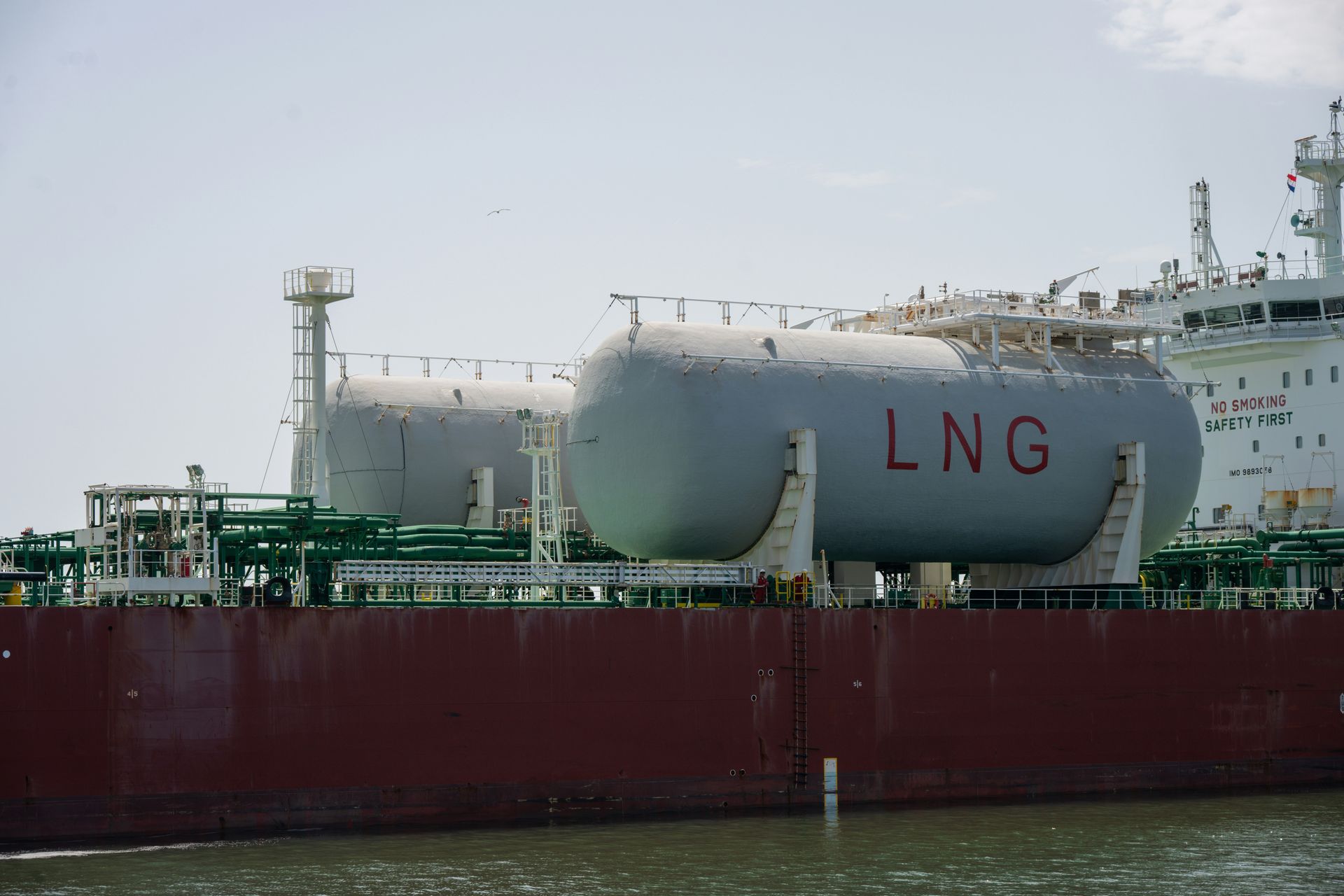
While there had been anticipated Norwegian outages as key maintenance work was scheduled on multiple gas fields, this extended past the initially expected time frame causing concerns about global gas supply. This led to the UK further relying on LNG exports from the US, with many market participants not considering the current US administration to be a stable and reliable trading partner.
With EU nations mandated to achieve gas reserve target levels of 90% by November 1st, there is an expectation that many European nations may engage in bidding wars in order to hit their targets. Gas reserves across Europe are noticeably lower than usual heading into the colder months, sitting nearly 12% below where they were this time last year. With European countries now actively competing to buy up supplies, wholesale costs have jumped across the board. For UK businesses, that means suppliers are pricing in that extra risk right now. This raises fixed rates and leaves flexible contracts exposed to price spikes should a winter cold snap hit.
Outlook
The war in Iran will continue to be a key driver of energy prices in the coming months. However, it has grown increasingly difficult to predict the actions of the US as they don’t appear to consistently act in their own interests. JPMorgan stated in September that they were unsure how to predict an end to the conflict and that the next steps were difficult to logically anticipate.
While conflict is notoriously unpredictable, weather patterns give us far clearer signals to plan around. Forecasts for the final quarter of 2026 are suggesting a milder-than-usual start to the winter which will help lower consumption and aid the suppression of energy prices.

With gas and electricity prices still higher than any point since the Russia/Ukraine conflict, many UK businesses are feeling the pain of energy costs. However, October 1st sees the opening of the application window for the British Industrial Competitiveness Scheme (BICS). This is designed to help lower the electricity costs for businesses in the manufacturing industry.
If your business requires assistance with applying for this scheme or would like to check if there are any other government schemes you may be eligible for, contact SeeMore Energy today and our team of dedicated professionals can assist you with all of your energy needs.